
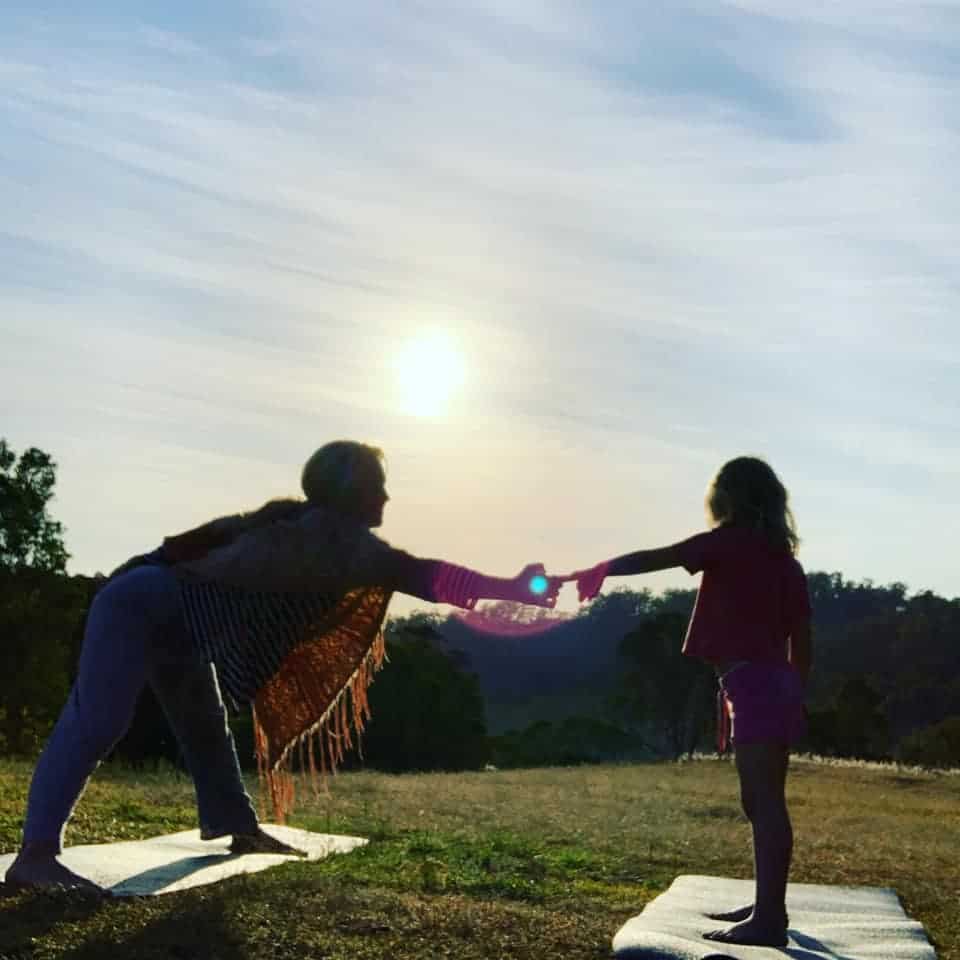
Life is full of beautiful moments. Some, we wish we could hold onto forever and ‘freeze frame’ some of the awe inspiring moments in life…
When we find ourselves in a spectacular natural setting, the awe experienced can be truly wonderful. Clinically speaking, psychologists define awe as “a complex emotion arising from a perception of vastness and a need to accommodate the perception into existing mental schemas” (Chirico & Yaden, 2018). This is something that everyone could relate to. Most people have looked out onto a beautiful view or tremendous structure and have felt such an emotion. Most of the time, awe is experienced due to outside stimuli. However, what if awe could be experienced by other means? What if awe did not require travel or sightseeing but could be experienced every day from within.
Through meditation, one learns to quiet the monkey mind, bring greater attention to the body and becomes more focused on the present. Researchers have found that practicing meditation decreases the activity of the Default Mode Network (DMN), which is a brain region responsible for mind-wandering and self-referential processing (Elk et al., 2019). This is helpful in allowing the individual to no longer ruminate on themselves, their past and their future, allowing them to draw their attention to the beauty of the present. At the height of meditation experiences, further reduction of DMN activity can bring reduced perception of the self, space and time (Brewer et al., 2011; Yaden et al., 2017). Though the exact mechanism has yet to be discovered, it is not hard to theorize that this feeling of simply existing and feeling the vastness of the universe and its flow is what allows for the scientifically observed feeling of awe to manifest during meditation (Fredrickson et al., 2008).
There are many benefits to being in awe. Research has shown that people in awe are more willing to volunteer time to help others, prefer experiences over material goods, and experience overall greater satisfaction in life. These same studies suggest that people in awe feel that they have more time available to them. It makes them less impatient, and explains why they may be more willing to help others because it is not felt as an inconvenience to their daily schedule (Rudd et al., 2012). In many ways, being in awe allows us to not only feel more positive emotions but allows us to spread more positivity to those around us.
Observing the vastness and beauty of nature can be a sure way to experience awe (Ballew & Omoto, 2018). However, given the multitude of positive emotions that come alongside being in awe, the ability to find awe without the need of anything but ourselves would be a powerful tool to make us better people. Meditation, through its ability to let go of the self, and simply experience the vastness and beauty of the universe around us may be the perfect tool to find awe from within. Doing so could allow us to have a greater appreciation for life and help us spread love and charity to everyone else.
Recorded Live-stream:The Science of Awe (35 minutes)
If you would like to contact Celia to learn more about the meditation teacher training journey, please do visit our Meditation Teacher Training Page or find us on Facebook or Instagram or contact Celia directly.