
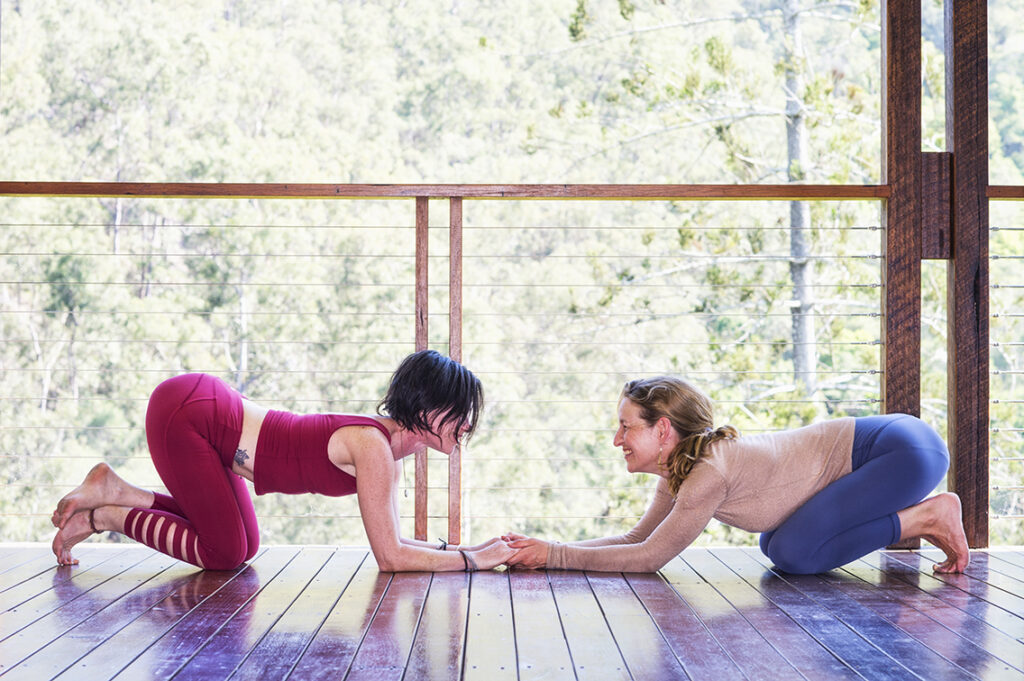
Once considered a simple gesture, Grip strength has evolved into a complex indicator with profound implications for ageing, health, and genetics. Recent research has highlighted the multifaceted nature of grip strength, revealing its connections to educational attainment, health outcomes, and potential longevity.
Does grip strength predict my age? Numerous studies have demonstrated the correlation between grip strength and ageing. Research by Hashmi et al. (2009) suggests that individuals with better grip strength tend to age more slowly and may experience a deceleration of immunosenescence, the immune decline associated with ageing (Hashmi et al., 2009).
How does grip strength give away my educational status? The relationship between grip strength and education is an intriguing avenue of investigation. Notably, a comprehensive study conducted by the International Institute for Applied Systems Analysis examined over 50 studies and established a significant link between higher educational levels and stronger grip strength. This study found that individuals with higher educational achievements tend to exhibit grip strength comparable to those with lower education levels who are several years younger (Scherbov et al, 2022). “According to hand grip strength, people with high education… feel several years younger compared to people with lower education,” says study co-author Sergei Scherbov (2022).
What are the health implications of poor Grip Strength? The association between grip strength and health outcomes is compelling. Research involving a large cohort of Swedish male adolescents revealed a strong correlation between weaker grip strength and a heightened risk of premature mortality, cardiovascular conditions, increased suicide risk, and psychological distress (2012). This consistent correlation across various studies underscores the predictive power of grip strength in identifying adverse health outcomes (Ortega et al., 2012).
Grip strength is a predictor of long life? Grip strength, while appearing simple, wields significant predictive power for future disability, morbidity, and mortality. This predictive influence extends to older individuals and encompasses middle-aged and younger populations. (Ekiz, 2020)
Is grip strength a biomarker of ageing? Recent genetic research further explains grip strength. A study involving a substantial participant cohort demonstrates that weaker grip strength is associated with accelerated DNA ageing (Petersen et al., 2023). Individuals with weaker grip strength exhibit more rapid genetic ageing than those with firmer grip (Petersen et al., 2023). “Grip strength is often called a biomarker of aging,” said Mark Peterson, an associate professor of physical medicine and rehabilitation at the University of Michigan, who has led this new research study. “But the biological context for why it’s so predictive of positive and negative outcomes during aging hasn’t really been clear.”
Grip strength transcends its conventional role and emerges as a multifaceted indicator of various aspects of human life. Its links to ageing, education, health, and genetics offer a rich scientific exploration and understanding landscape. As research progresses, the intricate relationship between grip strength and essential aspects of human existence continues to beckon further investigation.
Enhancing Grip Strength through Yoga and Pranayama
Yoga’s Impact on Grip Strength: Yoga, a holistic practice that combines physical postures, breath control, and meditation, has been found to have a positive influence on grip strength. A study by Rodrigues-Krause et al. (2015) investigated the effects of yoga on forearm muscle endurance and grip strength, revealing significant improvements in both areas (Rodrigues-Krause et al., 2015).
Pranayama’s Indirect Influence on Grip Strength: Pranayama, the controlled breathing technique of yoga, indirectly contributes to enhanced grip strength. Goyal et al. (2018) conducted a study that demonstrated how specific pranayama techniques, such as Kapalbhati and Bhramari, can improve cardiovascular autonomic control, thereby indirectly benefiting muscle strength and grip (Goyal et al., 2018).
Read more researched practices in yoga and pranayama for grip strength here on the Biyome blog
References
Bohannon RW. Grip Strength: An Indispensable Biomarker For Older Adults. Clin Interv Aging. 2019 Oct 1;14:1681-1691. doi: 10.2147/CIA.S194543. PMID: 31631989; PMCID: PMC6778477.
Ekiz T, Kara M, Özçakar L. Measuring grip strength in COVID-19: A simple way to predict overall frailty/impairment. Heart Lung. 2020 Nov-Dec;49(6):853-854. doi: 10.1016/j.hrtlng.2020.05.011. Epub 2020 May 28. PMID: 32507468; PMCID: PMC7254015.
Goyal, S., et al. (2018). Effects of Bhramari Pranayama on Grip Strength and Cardiovascular Autonomic Control. International Journal of Yoga, 11(3), 215-219.
Hashmi, A. M., Aamir, K., Malik, M. F. A., & Farooq, M. (2009). The relationship between grip strength and aging indicators. J Coll Physicians Surg Pak, 28(12), 947-950.
Peterson, M. D., Collins, S., Meier, H. C. S., Brahmsteadt, A., and Faul, J. D. (2023) Grip strength is inversely associated with DNA methylation age acceleration, Journal of Cachexia, Sarcopenia and Muscle, 14, 108–115, https://doi.org/10.1002/jcsm.13110
Rodrigues-Krause, J., Krause, M., Reischak-Oliveira, Á., & Fighera, M. R. (2015). Effects of Yoga on Forearm Muscle Endurance and Grip Strength. Journal of Strength and Conditioning Research, 29(11), 2951-2957.
Scherbov, S., Spitzer, S., Steiber, N. (2022). Thresholds for clinical practice that directly link handgrip strength to remaining years of life: Estimates based on longitudinal observational data. BMJ Open DOI: 10.1136/bmjopen-2021-058489 [pure.iiasa.ac.at/18125]
Ortega FB, Silventoinen K, Tynelius P, Rasmussen F. Muscular strength in male adolescents and premature death: cohort study of one million participants. BMJ. 2012 Nov 20;345:e7279. doi: 10.1136/bmj.e7279. PMID: 23169869; PMCID: PMC3502746.
If you would like to contact Celia to learn more about the meditation teacher training journey, please do visit our Meditation Teacher Training Page or find us on Facebook or Instagram or contact Celia directly.