

Mucuna Pruriens, Kapikacchu in Sanskrit
Kapikacchu, or Mucuna Pruriens, stands as a revered herb in the world of Ayurveda. This adaptogenic marvel has earned the award of being “the dopamine bean,” reflecting its renowned ability to soothe the nervous system, support reproductive health, and be a powerhouse for mood support whilst enhancing emotional resilience.
Kapikacchu offers us a natural approach to dopamine supplementation. At the heart of its therapeutic prowess lies its status as a natural source of levodopa, or L-dopa, a crucial precursor to the neurotransmitter dopamine.
Delving deeper into its biochemical makeup, Mucuna Pruriens boasts levels of levodopa that rival, and in some cases surpass, prescription formulations utilised in the treatment of Parkinson’s disease. Kapikacchu has lush foliage and velvety seed pods, and its versatility extends beyond medicinal use. In regions like Guatemala and Mexico, Mucuna Pruriens seeds are roasted and ground to craft a coffee substitute known locally as “Nescafé,” showcasing its adaptability and cultural significance.
Paddy’s Lucerne (Sida rhombifolia & Sida cordifolia) or Bala in Sanskrit
Bala is an ancient Ayurvedic herb used widely in a variety of Ayurvedic medicines and massage oils to improve the strength of bones, muscles and joints. The word Bala refers to strength and the herb is used to increase stamina and strength of the body. Its botanical name is Sida cordifolia, of the Malvaceae family. Some use Sida rhombifolia also in the name of Bala. Sida rhombifolia & Sida cordifolia are classed as weeds here but are a botanical treasure found abundantly in Upper Brookfield and beyond and hold a special place in both traditional medicine and modern research. Revered by Ayurvedic physicians, this versatile plant offers a myriad of therapeutic benefits, particularly for neurological complaints and rheumatism. It is often nicknamed Queensland hemp and Indian hemp and is used as a substitute for cannabis in Mexico.
Ayurvedic physicians use an infusion crafted from the roots and leaves of Sida rhombifolia as a potent remedy for various ailments. In Ayurvedic tradition, it is esteemed for its efficacy in treating conditions such as epilepsy, rheumatism, and fevers accompanied by shivering and fits. Moreover, its diuretic properties make it invaluable in addressing calculus troubles as a diuretic and as a febrifuge, further highlighting its versatility in herbal medicine. Medicinally in Ayurveda pacifies vitiated tridoshas, arthritis, asthma, cough, flatulence, colic, burning sensation, haemorrhoids, intermittent fever and general debility. When dealing with runny noses or chronic sinus conditions, this plant offers relief and comfort with its anti-inflammatory properties addressing inflammation in mucous membranes (Kate Wall).
Paddy’s lucerne merges as a humble yet invaluable ally in both soil health and human wellness. This unassuming weed boasts deep roots that delve into the earth, extracting vital nutrients and playing a vital role in soil improvement. Paddy’s lucerne holds a rich cultural history, particularly among Australian Aboriginal communities. Traditionally, the leaves of this plant were chewed to alleviate symptoms of diarrhoea, showcasing its remarkable efficacy as a natural remedy (Kate Wall).
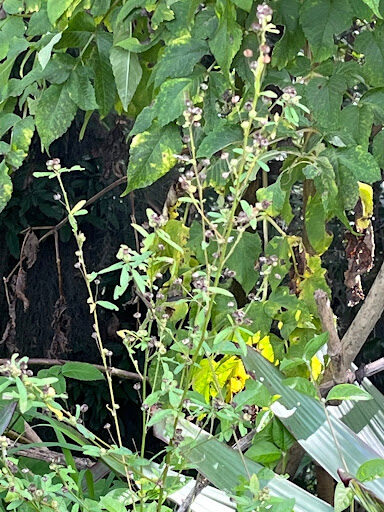
Incorporating the powder of Bala (Sida cordifolia) or chewing the wild herb into your daily routine has promising results. You can take Bala root powder along with honey or milk twice daily. You can chew a few leaves or add dried leaves to meals. The wild-collected herbs are generally found to be a lot more favourable and potent in Ayurveda, with evidence to support this claim. It has a mild flavour if collected for food. Its stamina-building potency makes the weed a welcome addition to any garden. The roots contain small amounts of ephedrine, and caution must be taken as usage can have potential adverse cardiovascular effects, such as arrhythmias.
Bala massage oil is used for shirodhara (Ayurvedic therapy of pouring warm oil on the third eye). Bala oil is tri-doshic and is traditionally used for rheumatic complaints. You may also use it as a nasya or nasal oil if you wish.
BUY Bala Massage Oil (Shirodhara) and also found here
(This piece on edible weed has been written with the assistance of weed expert Kate Wall and landscape architect, Arno King).
Yerba Mate
Yerba mate, a cherished beverage in Argentina and neighbouring regions holds a significant role in the daily routines of many, valued for its rejuvenating properties and perceived ability to enhance energy levels. In bustling metropolises like Buenos Aires, where the rhythm of life is lively and nights are filled with activity, yerba mate emerges as a trusted companion for those seeking endurance and vitality amidst their fast-paced lifestyles.
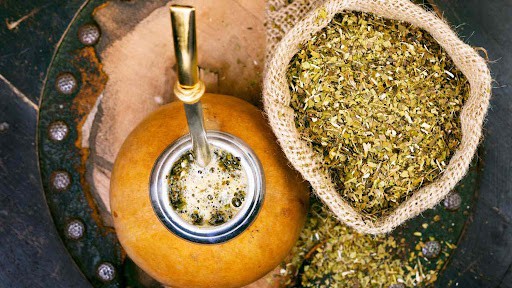
Yerba mate holds additional appeal as studies suggest it may possess dopamine neuroprotective properties, further bolstering its reputation as a beneficial stimulant. The distinct cultural traditions surrounding yerba mate consumption, including the ritual of sharing mate among loved ones, contribute to its social importance and widespread admiration. This communal practice fosters a sense of connection and camaraderie, elevating its appeal beyond its physical effects. Nurturing healthy social connections is crucial for stimulating dopamine release, as positive social interactions trigger the release of oxytocin, a hormone closely linked with dopamine production. Therefore, investing time and effort in cultivating these meaningful social bonds is essential for overall well-being and mental health.
Considering its adaptability to growth in Australia, incorporating yerba mate into medicinal gardens in Brisbane presents an exciting opportunity with its potential to thrive in local climates.
Caffeine – Coffee and Tea
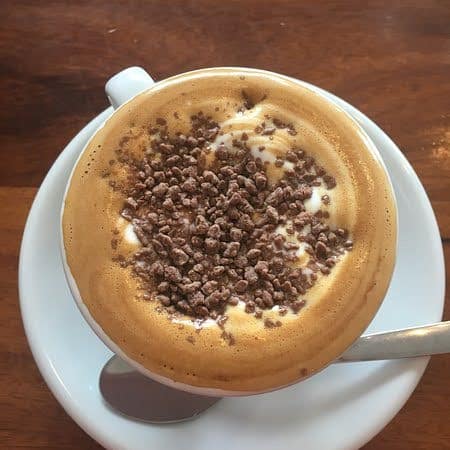
In the realm of neurotransmitters and stimulants, caffeine emerges as a noteworthy player with its intriguing effects on the dopamine system. While caffeine may marginally increase dopamine levels, its true impact lies in its ability to enhance the density of dopamine receptors. By doing so, caffeine effectively amplifies the effects of dopamine, allowing individuals to experience heightened sensations of pleasure and reward.
Yet, as with any substance, moderation and mindful consumption are key. Just as one should not solely rely on external stimuli or rewards for motivation, one should also not overly depend on caffeine to fuel productivity or satisfaction. Yerba mate holds additional appeal over coffee and tea as a caffeine alternative, as studies suggest it may possess dopamine neuroprotective properties, further bolstering its reputation as a beneficial stimulant.
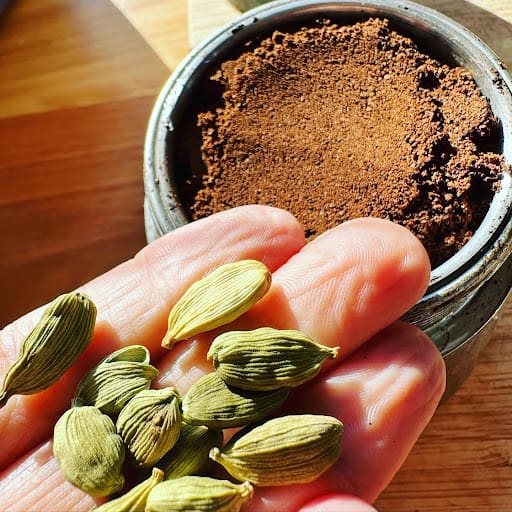
Ayurvedic tip to reduce the heating element of coffee – Cardamon pods in coffee reduce the rajasic quality of the coffee due to the sattvic quality of cardamon. Cardamon is also proven to be excellent for freshening breath and improving the mouth microbiome. The quality of the mouth microbiome gives rise to a high-quality lung microbiome.
Chocolate, Cocoa, Cacao
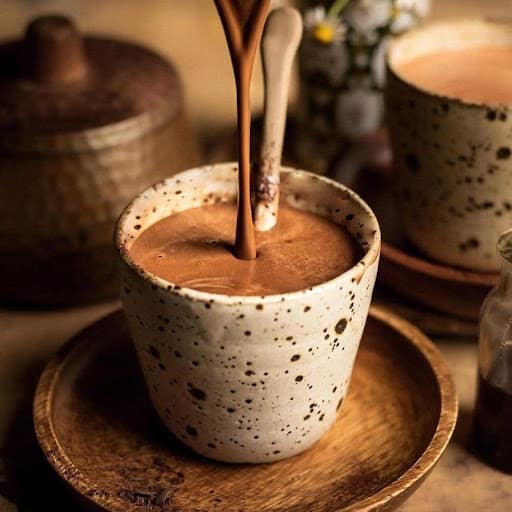
Chocolate, derived from the cacao bean, has long been celebrated for its indulgent flavour and comforting properties. Beyond its taste, chocolate contains compounds that can influence neurotransmitter activity in the brain, including dopamine. Dark chocolate, particularly with a high cocoa content of 70% or above, contains flavonoids that can stimulate the release of endorphins and enhance dopamine levels. When consumed, chocolate can indeed lead to a temporary increase in dopamine levels, often by up to 150% (1.5x). This surge in dopamine may contribute to the feelings of pleasure and satisfaction commonly associated with indulging in chocolate. However, it’s essential to note that these effects are transient, typically lasting only for a few minutes or even seconds.
Cacao, the raw form of chocolate, holds particular interest for its potential health benefits, including its impact on dopamine levels. Rich in flavonoids and other bioactive compounds, cacao exhibits neuroprotective properties and may support overall brain health. While research on the specific effects of cacao on dopamine remains ongoing, its reputation as a mood enhancer and source of pleasure suggests that it may indeed influence dopamine activity in the brain. Incorporating cacao into one’s diet in its purest form, such as raw cacao nibs or unsweetened cacao powder, offers a way to enjoy its potential benefits while minimising added sugars and processing. In Ayurveda, the cocoa bean is considered a heating supplement, and in many wisdom traditions, it is said to open the heart. Cacao increases vata and pitta so for sensitive nervous systems who need a good night’s sleep, none to be taken after 3pm. This applies to all caffeinated products or teas.

In Ayurveda, we say that when the heart is searching for sweetness in life, we often look to sweet foods to calm and pacify. We do use sweet foods medicinally in Ayurveda to pacify vata, the air and ether elements in the body-mind, particularly the nervous system. Sweet food brings the element of kapha into being, the water and earth elements. Kapha is related to love, steadiness, reassurance and sustenance. The air element (vata) is directly related to the heart chakra. Too much air element, nervous energy, searching externally or dissatisfaction with a situation means we may try to reach for external sources to pacify the heart, often with excessive sweet food. Excessive sweet foods in the body can lead to candida (pitta and kapha), diabetes (kapha), or weight gain (kapha). In Ayurveda, we use sweet foods medicinally, but sweet foods for an unregulated vata nervous system are simply sattvic foods. Sattvic sweet foods such as bananas (very high in dopamine), almonds (high in tyrosine and good for boosting dopamine levels), dates, basmati rice and almond or dairy milk.
Chocolate, here and there, is absolutely perfect too ❤️
Nutritional Psychiatry in April this year is shaping up to be a fabulous course with accredited dietitians. We shall look at intuitive eating with a non-diet approach and Ayurveda 🍀
If you would like to contact Celia to learn more about the meditation teacher training journey, please do visit our Meditation Teacher Training Page or find us on Facebook or Instagram or contact Celia directly.