
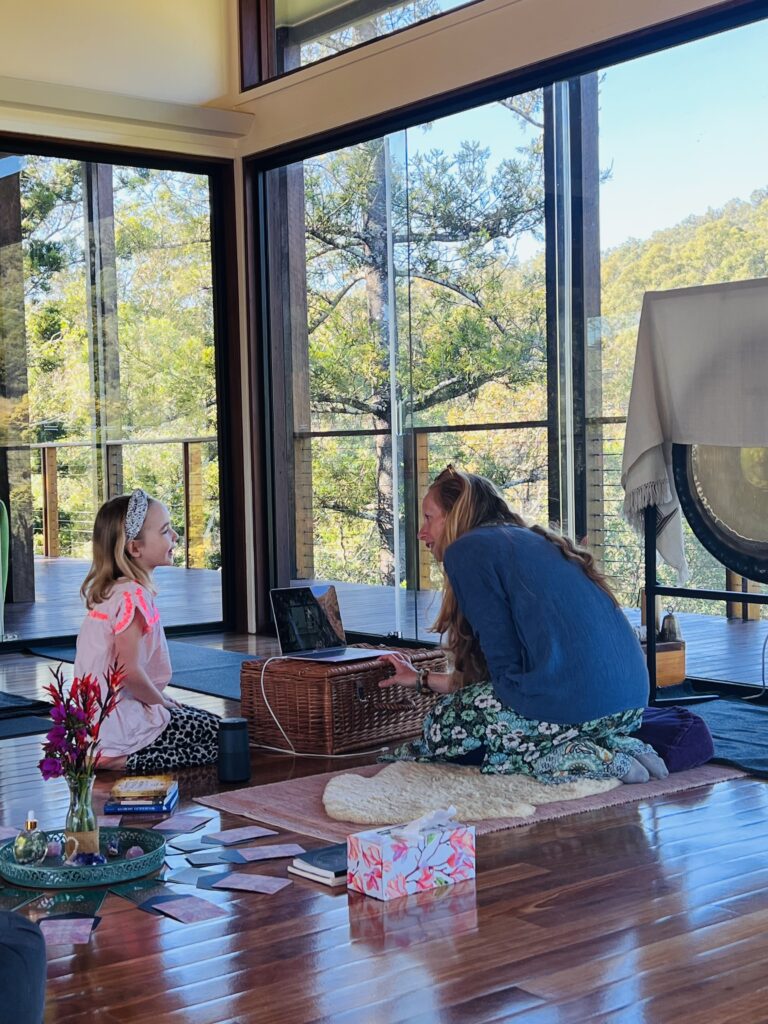
Are you familiar with Mehrabian’s 7-38-55 rule? A rule that states that communication is only 7% verbal, 38% vocal (tone and inflection), and 55% nonverbal (body language and facial expressions).
But what does this mean? And how can we use this information to improve our communication with others?
First, let’s look at the meaning behind the numbers. The 7% represents the words we use when we communicate. The 38% represents the tone and inflection of our voice. And the 55% represents our body language and facial expressions.
So, what does this tell us? It tells us that words are important, but they are not the only thing that matters. In fact, tone and body language are just as important, if not more so.
Now that we know this, how can we use it to improve our communication?
Here are some tips:
Pay attention to your tone. The way you say something is just as important as the words you use. If your tone is negative, even positive words will sound negative. Likewise, if your tone is positive, even negative words will sound positive. So, be aware of the tone you use when communicating with others. Choose soft compassionate tones when possible. This will regulate your heart rate, vagal tone and prosody.
Pay attention to your body language. Your body language can convey a lot of information – whether you’re interested in what the other person is saying, whether you’re comfortable, etc. Be aware of your body language and use it to communicate effectively with others. Choose a compassionate posture, strong spine and a soft open heart, a gentle smile.
Use all three elements of communication – words, tone, and body language – to create a complete message. When you pay attention to all three elements, you can ensure that your message is clear and effective.
Mehrabian’s 7-38-55 rule is a helpful tool for understanding the importance of nonverbal communication. By paying attention to your tone and body language, you can improve your communication with others.
Join us for 2023
20hr course
HLL08 Body Reading, Psychosomatic Therapy & Ayurveda
If you would like to contact Celia to learn more about the meditation teacher training journey, please do visit our Meditation Teacher Training Page or find us on Facebook or Instagram or contact Celia directly.