
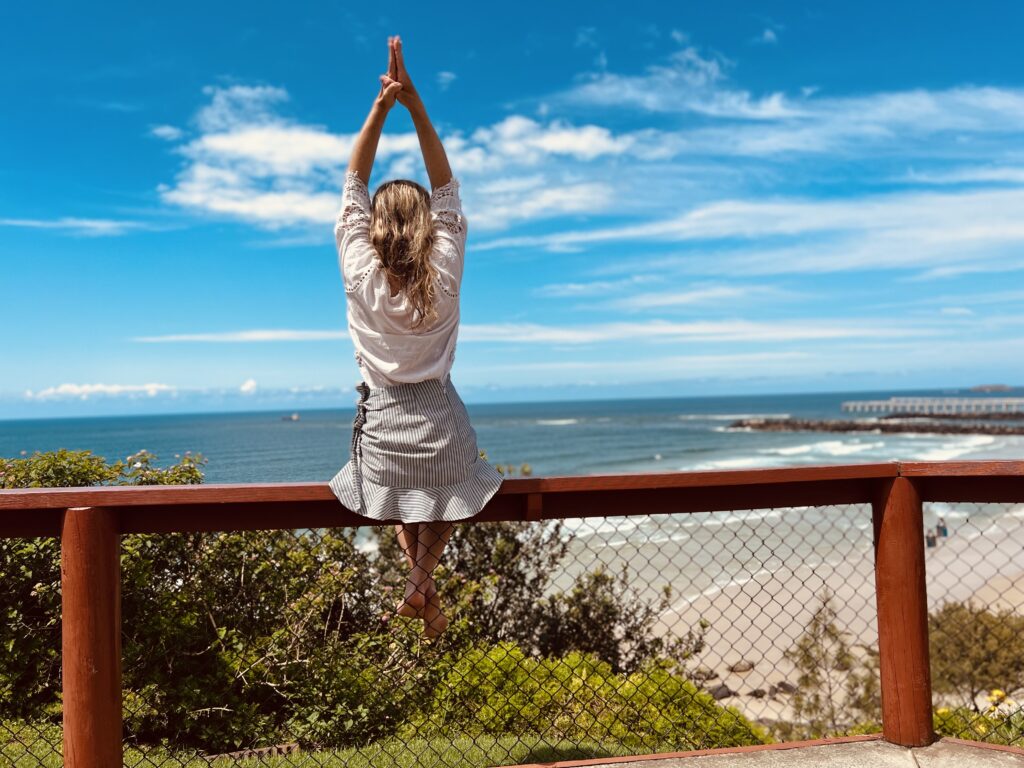
Comparing and Analysing Three Kinds of Breathing Techniques
Stress is an integral part of our lives, with its physiological effects, a cascade of harmful complications, and mitigation mechanisms. According to research, yoga and yogic breathing techniques (pranayama) are one such mechanism that reduces stress and anxiety (Pramanik et al., 2009). Pranayama is defined as a series of breathing exercises that one performs voluntarily in order to control the processes of inhalation and exhalation, their retention, the frequency of breathing and the bandhas or energy locks of the body. As a result of these exercises, changes in heart rate, autonomic nervous system, and psychological well-being were observed (Novaes et al., 2020).
In this article, we will discuss the effects of pranayama and, in particular, the Bhastrika, Wim Hof and Buteyko techniques on stress and anxiety and other health benefits.
What is so fascinating is that whilst these breathing mechanisms are so very different, they are all effective and beneficial to mental and physical health.
Why is this and how can this be so?
We propose that these different breathing practices essentially “toggle the nervous system”, holding us accountable to train both wisely. The Wim Hof and Bhastrika methods activate flight or fight response, helping us to challenge the nervous system through a process called hormesis and overcome the stress response. We propose this method is successful because we activate the stress response in a safe way when we are in complete control of our surroundings. It must also be acknowledged that these fast and forceful breathing techniques are relevant to Stephen Porges’ Polyvagal Theory, taking us from a state of fatigue, shutdown response, melancholia and/or depression to sympathetic activation:
Dorsal Vagal (high tone, shame and shutdown) into Ventral Vagal (flight-fight-fawn-flee sympathetic dominance) in PolyVagal Theory.
We also propose that Patrick McKeown’s Buteyko Breathing (long, slow, soft breathing) activates the nervous system into parasympathetic activity, which is very beneficial to increased relaxation, assisting us to enter into the state of yoga, meditation and compassionate engagement. Again, it must also be acknowledged that these slow and gentle breathing techniques are relevant to Polyvagal Theory, taking us from sympathetic activation into a compassionate engagement.
Ventral Vagal (flight-fight-fawn-flee sympathetic dominance) to Ventral Vagal (Social Compassionate Engagement) or Dorsal vagal dominance low tone (rest & digest) in PolyVagal Theory.
In reference to yoga therapy, we cannot take someone from tamas (low tone) to sattva (compassionate present moment engagement), without initially taking them through rajas (high tone). Therefore, we propose that to bring someone into the ultimate sattvic state, taking them from the tamasic state (low tone parasympathetic) through to the rajasic state (high tone sympathetic) is a necessity.
Let’s see if the research agrees…
Bhastrika Breathing
Physiological Mechanisms of Bhastrika Breathing
Bhastrika pranayama consists of forceful breathing exercises. The physiological mechanisms of Bhastrika pranayama are complex and not well investigated. However, with the ever-increasing interest in yogic practices, new facts are being discovered. A study conducted by Novaes and colleagues found that just thirty minutes of Bhastrika pranayama thrice a week for four weeks leads to significant changes in bilateral insula and right amygdala. The bilateral insula of the brain controls the autonomic function (sympathetic and parasympathetic systems). At the same time, the amygdala is responsible for unpleasant emotional responses such as fear, sadness, and anxiety. Moreover, people with anxiety have increased activity in both structures. Bhastrika pranayama modulates the activity of the bilateral insula and right amygdala, reducing anxiety (Novaes et al., 2020).
Effects of Bhastrika Breathing on Anxiety and Stress
As mentioned above, Bhastrika pranayama alters the activity of certain areas of the brain responsible for emotional response (Novaes et al., 2020). Also, slow-pace (respiratory rate 6 per minute) Bhastrika pranayama activates the parasympathetic nervous system, which reduces the perception of stress by changing the stress-related neuroendocrine responses of the body. This breathing technique is recommended for individuals seeking mental relaxation and stress relief in everyday life. (Pramanik et al., 2009).
Other Health Benefits and Application of Bhastrika Breathing
Stress leads to the rapid activation of various physiological reactions that affect not only the mental but also the physical well-being of a person. Bhastrika pranayama reduces the perception of stress, hence its harmful effects on the body. It also improves respiratory functions and neuronal adaptation (Campanelli et al., 2020). Some of the proven health benefits of this breathing technique are listed below.
- Studies have shown that Bhastrika pranayama reduces heart rate and blood pressure, thereby preventing cardiovascular disease (Budhi et al., 2019).
- Bhastrika pranayama strengthens the respiratory muscles and increases the elasticity of the lungs and chest by involving normally unventilated lung spaces in respiratory processes. This, in turn, improves the ventilation function of the lungs. (Budhi et al., 2019).
- Bhastrika pranayama can improve the tolerance of brain damage caused by hypoxia or ischemia by enhancing cortical control of the respiratory centres in the brain. This, in turn, results in better neuronal adaptation. (Campanelli et al., 2020).
Wim Hof Breathing
Physiological Mechanisms of Wim Hof Breathing
The Wim Hof pranayama technique combines periods of hyperventilation and voluntary breath holding at low lung volume. Breathing exercises are accompanied by exposure to cold and meditation (Citherlet et al., 2021). These practices, and in particular the exposure to cold and breathing, provoke a physical stressor and trigger adaptation mechanisms that, in turn, improve the body’s response to stress (Wimhofmethod.com, 2017).
In addition, a recent neuroimaging study has shown that the Wim Hof technique activates primary pain modulation centres in the periaqueductal grey (a region of grey matter responsible for pain propagation and modulation), resulting in a stress-related analgesic effect. Also, WHM may activate specific parts of the insula resulting in sympathetic activation (Muzik et al., 2018).
As a result, Wim Hof practitioners have increased stress tolerance, better sleep, reduced symptoms of depression, and improved immune, respiratory, cardiovascular, and endocrine function (Citherlet et al., 2021; Petraskova et al., 2022; Marko et al., 2022).
Effects of Wim Hof Breathing on Anxiety and Stress
The Wim Hof technique, especially meditation and pranayama, can help relieve symptoms of depression and anxiety. A study by Petraskova and colleagues found that an 8-week Wim Hof training program significantly improves symptoms of depression (Petraskova et al., 2022). Moreover, this method not only reduces anxiety and depression but also increases stress resistance, which will prevent the development of depression in future. (Marko et al., 2022).
Other Health Benefits and Application of Wim Hof Breathing
The Wim Hof technique is relatively new, but there is already strong evidence of the mental and physical health benefits that a combination of breathing exercises, meditation, and exposure to cold can bring. These benefits include but are not limited to:
- Enhanced creativity, mental clarity, and focus (Citherlet et al., 2021)
- Improved sleep patterns (Citherlet et al., 2021)
- Improved cardiovascular health (Citherlet et al., 2021)
- Improved oxygen metabolism (Marko et al., 2022)
- Improved muscular endurance (Citherlet et al., 2021)
- Increased Vagal activity (Marko et al., 2022)
- Improved respiratory function (Marko et al., 2022)
Patrick McKeown’s Breathing Method
Physiological Mechanisms of Patrick McKeown’s Breathing
The basic principle of Patrick McKeown’s breathing method is the fact that sufficient carbon dioxide (CO2) is needed for haemoglobin to release oxygen (O2) into the blood plasma, from where it will be absorbed into the body’s tissues. This phenomenon was first discovered by Christian Bohr in the early 1920s and named the Bohr effect after him (McKeown & Smyth, 2015).
Carbon dioxide is removed from the body during exhalation. Excessive breathing (hyperventilation) (which may be due to panic attacks and anxiety) results in excessive exhalation, which leads to a decrease in CO2 levels (hypocapnia). In chronic hyperventilation (excessive breathing for days or weeks), our body becomes sensitive to carbon dioxide, and our brain stimulates the breath to expel it from the body. As a result, a lack of CO2 leads to less saturation of tissues and organs with oxygen (hypoxia), although there is enough oxygen in the blood (O’Brien, 2021). In addition, excessive breathing decreases blood flow by reducing the diameter of blood vessels by as much as 50% (McKeown & Smyth, 2015). These processes eventually lead to chronic fatigue and cardiovascular, digestive and respiratory conditions (O’Brien, 2021). Last but not least, hypoxia doubles the risk of developing depression (Szabó et al., 2019).
Patrick McKeown’s breathing method regulates the levels of CO2 retained in the lungs and prevents the health problems the vicious cycle of hyperventilation brings.
Effects of Patrick McKeown’s Breathing on Anxiety and Stress
As mentioned above, hypoxia is a proven factor in the development of depression. The McKeown Breathing Method includes breathing exercises that improve brain oxygenation and relieve stress and anxiety (McKeown & Smyth, 2015). The exercise consists of several steps, namely:
- Small quiet breath through the nose
- Holding the breath for 2-5 seconds
- Following the breath-holds with normal breathing for 10 seconds
- Repeating the above steps for 15 minutes
In addition, even a slight decrease in carbon dioxide levels in the arterial blood increases the heart rate. This, in turn, can lead to tachycardia, arrhythmias, and anxiety in some people. McKeown recommends holding the breath for about 10 seconds or swallowing to relieve anxiety symptoms and make breathing easier (McKeown & Smyth, 2015).
Other Health Benefits and Application of Patrick McKeown’s Breathing
McKeown’s breathing method has positive effects on physical health:
- It helps to prevent emotional overeating and improves food choices. The thing is that excessive breathing increases the pH levels, and people may crave unhealthy, acidic processed food to balance the elevated pH (McKeown & Smyth, 2015).
- According to McKeown, holding your breath during physical activity such as walking, running, or swimming leads to a decrease in oxygen saturation, which in turn, increases the production of red blood cells. This will prepare the person for high altitude, where the O2 concentration is lower (McKeown & Smyth, 2015).
- McKeown Breathing Method strengthens the respiratory muscles, relieving breathing difficulties caused by certain chronic conditions (McKeown & Smyth, 2015).
- It is helpful for people with asthma (O’Brien, 2021).
- It prevents diseases of the cardiovascular and digestive systems (O’Brien, 2021).
Conclusion
Breathing exercises are a proven method for preventing and treating mental and physical conditions. The breathing pranayama techniques of Bhastrika, Wim Hof and Patrick McKeown have different physiological mechanisms. However, they are all effective in alleviating the symptoms of stress, anxiety, depression, as well as cardiovascular and respiratory diseases. With these different breathing techniques, we can essentially “toggle the nervous system” as it applies to Polyvagal Theory, making it function for us beautifully at both ends of the spectrum, sympathetically and parasympathetically, forcefully and gently, fast and slow.
To bring someone into the ultimate sattvic state of being, we take them from the tamasic state (low tone parasympathetic) through to the rajasic state (high tone sympathetic), initially with fast breathing pranayama techniques and then later with a slower, more gentle approach to breath control. This helps the individual to ultimately enter into the state of yoga, taking less breath over a longer period of time.
References
Pramanik, T., Sharma, H. O., Mishra, S., Mishra, A., Prajapati, R., & Singh, S. (2009). Immediate Effect of Slow Pace Bhastrika Pranayama on Blood Pressure and Heart Rate. The Journal of Alternative and Complementary Medicine, 15(3), 293–295.doi:10.1089/acm.2008.0440
Novaes MM, Palhano-Fontes F, Onias H, Andrade KC, Lobão-Soares B, Arruda-Sanchez T, Kozasa EH, Santaella DF, de Araujo DB. Effects of Yoga Respiratory Practice (Bhastrika pranayama) on Anxiety, Affect, and Brain Functional Connectivity and Activity: A Randomized Controlled Trial. Front Psychiatry. 2020 May 21;11:467. doi: 10.3389/fpsyt.2020.00467. PMID: 32528330; PMCID: PMC7253694.
Campanelli S, Tort ABL, Lobão-Soares B. Pranayamas and Their Neurophysiological Effects. Int J Yoga. 2020 Sep-Dec;13(3):183-192. doi: 10.4103/ijoy.IJOY_91_19. Epub 2020 Sep 13. PMID: 33343147; PMCID: PMC7735501.
Budhi RB, Payghan S, Deepeshwar S. Changes in Lung Function Measures Following Bhastrika Pranayama (Bellows Breath) and Running in Healthy Individuals. Int J Yoga. 2019 Sep-Dec;12(3):233-239. doi: 10.4103/ijoy.IJOY_43_18. PMID: 31543632; PMCID: PMC6746052.
Citherlet T, Crettaz von Roten F, Kayser B, Guex K. Acute Effects of the Wim Hof Breathing Method on Repeated Sprint Ability: A Pilot Study. Front Sports Act Living. 2021 Aug 25;3:700757. doi: 10.3389/fspor.2021.700757. PMID: 34514386; PMCID: PMC8424088.
How to reduce stress. Wimhofmethod.com. (2017). Retrieved 25 September 2022, from https://www.wimhofmethod.com/blog/how-to-reduce-stress.
Muzik O, Reilly KT, Diwadkar VA. “Brain over body”–A study on the willful regulation of autonomic function during cold exposure. NeuroImage 2018; 172: 632–641.
Petraskova Touskova T, Bob P, Bares Z, Vanickova Z, Nyvlt D, Raboch J. A novel Wim Hof psychophysiological training program to reduce stress responses during an Antarctic expedition. J Int Med Res. 2022 Apr;50(4):3000605221089883. doi: 10.1177/03000605221089883. PMID: 35437052; PMCID: PMC9021496.
Marko D, Bahenský P, Bunc V, Grosicki GJ, Vondrasek JD. Does Wim Hof Method Improve Breathing Economy during Exercise? J Clin Med. 2022 Apr 15;11(8):2218. doi: 10.3390/jcm11082218. PMID: 35456308; PMCID: PMC9028328.
McKeown, P., & Smyth, A. (2015). The oxygen advantage. Little, Brown Book Group.
O’Brien, S. (2021). The Oxygen Advantage: The simple, scientifically proven breathing technique that will revolutionise your health and fitness. Bar News: The Journal of the NSW Bar Association, 120-121.
Szabó K, Ihász F. Az alvás alatt jelentkező oxigénszaturáció-csökkenés hatása a depresszióra [The effect of reduced oxygen saturation during sleep on depression]. Orv Hetil. 2019 May;160(20):780-783. Hungarian. doi: 10.1556/650.2019.31401. PMID: 31081357.
If you would like to contact Celia to learn more about the meditation teacher training journey, please do visit our Meditation Teacher Training Page or find us on Facebook or Instagram or contact Celia directly.