
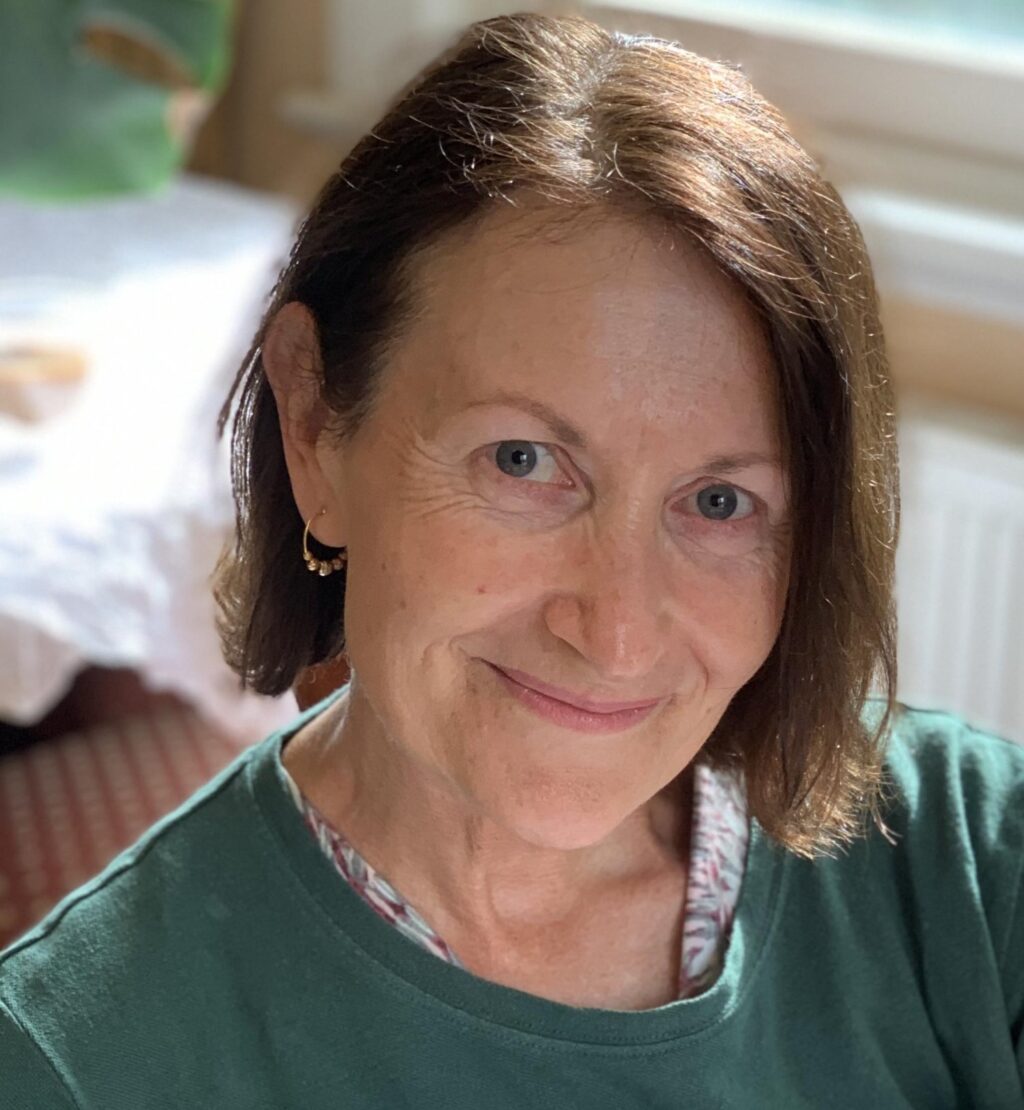
Background By Diana Korevaar
There have been a few health-related issues in recent years that have generated as much attention and confusion as ADHD. If we look at what research tells us – failing to diagnose ADHD does come with significant risks. Untreated, ADHD is associated with an increased risk of substance abuse, car accidents, depression, anxiety and suicide, as well as greater difficulty in learning and performing well in social relationships and at work.
But we also know that the use of the stimulants often used to treat ADHD comes with risk. The take-home message from large research trials is clear. Medication can be helpful, even essential in some cases, but it should only be regarded as one component of a broader, more holistic approach.
While it’s estimated that up to 8% or so of the population has a diagnosis of ADHD, research also tells us that even for those of us fortunate enough not to suffer from ADHD, increasing levels of distractibility and mind wandering are a growing feature of our modern society. High levels of distractibility are also associated with an increased risk of depressed mood, anxiety and burnout, as well as a wide range of stress-related physical disorders.
In considering the best approach to all of this, it is important to be aware that our brains are constantly growing and reorganising the way they work in a process that’s called “neuroplasticity”. If we leave it up to chance, our brains just get better at multitasking and generating stressful states. But with practice, we can make significant changes to how our minds work. It is possible to train our minds to be more quiet, calm and focussed. When we engage in this inner work on a regular basis, over time, the structure of our brains will change. This is neuroplasticity in action.
This meditation is designed to be one that provides suggestions on how to bring greater mindfulness into everyday life.
Diana has worked as a perinatal psychiatrist for over 20 years and is also involved in public-sector psychiatry. She has extensive training in trauma-based psychotherapies, including internal family systems (IFS), compassion focussed therapy (CFT), EDMR and mindfulness, and for the last 4 years, has been part of Melbourne-based research trials investigating the use of psilocybin for a variety of treatment-resistant psychiatric disorders. Diana was an author of a Frontiers in Psychiatry article examining the challenges involved in the community rollout of Psychedelic Assisted Therapies. She has a particular interest in establishing the safest and most effective way to introduce patients with a history of significant psychiatric illness to altered state work.
If you would like to contact Celia to learn more about the meditation teacher training journey, please do visit our Meditation Teacher Training Page or find us on Facebook or Instagram or contact Celia directly.