
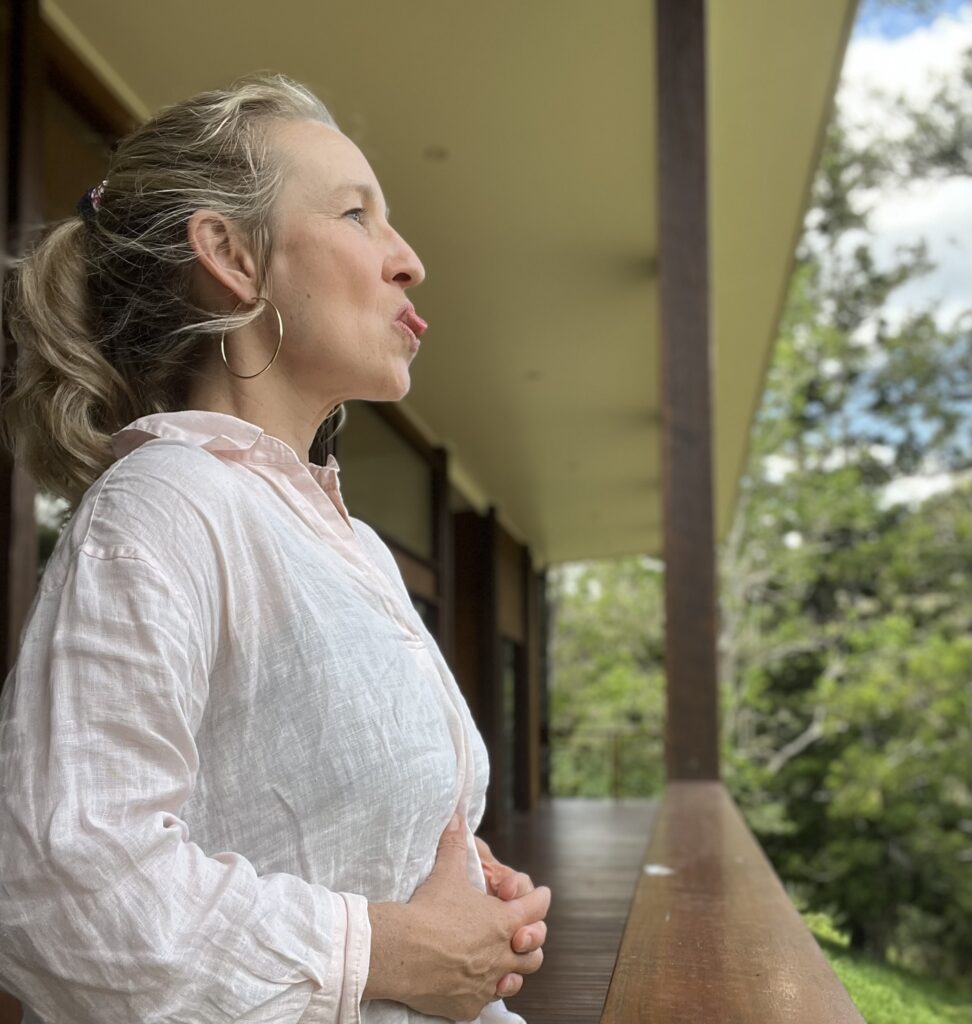
Yoga is currently one of the most popular practices for achieving mental and spiritual well-being worldwide. Even short-term yoga programs lead to improvements in symptoms of anxiety and stress, as well as improved sleep quality and, ultimately, quality of life. However, the physical effects of yoga have received increased attention in recent decades, making it a popular alternative therapeutic practice in the Western world.
Little is known about the dermatological benefits of yoga and pranayama in particular. However, in this article, we will summarise the most up-to-date scientific data on the effect of pranayama on the skin and its ageing.
Effects of Pranayama on Skin
The connection between mind, body and skin has long been proven. There is even a term called psychodermatological disorders resulting from the reactions of specific chemical messengers and proteins (such as hormones, neuropeptides and neurotransmitters), which in turn are synthesised as a result of complex interactions between the immune and nervous systems. In other words, stress can lead to dermatological conditions, in particular, skin inflammation. Examples of this are dermatitis, acne, eczema, alopecia areata, herpes, rosacea, urticaria and so on. Studies show that more than 70% of cases of atopic dermatitis occur after stressful life events. In addition, stress also leads to a breakdown in the skin’s barrier function, leading to a longer recovery time and secondary infection (Jalalat, 2015).
Pranayama (yogic breathing) affects stress in several ways. First, it is known to reduce perceived stress and alter the threshold for the degree of events that are considered stressful (Sharma et al., 2013). In addition, pranayama suppresses the sympathetic nervous system and the hypothalamic-pituitary-adrenal (HPA) axis, which activates a cascade of physiological responses to stress leading to depression and anxiety (Beri, 2016). Last but not least, pranayama results in a better supply of oxygen to our body than normal breathing, which is fast and shallow and uses only a small portion of the lung capacity during the inhalation and exhalation processes. The latter leads to a lack of oxygenated breathing (and prana), which does not allow negative emotions to leave our mind-body and leads to anxiety, restlessness, sleep disturbances and fatigue. (Patil, 2018).
Pranayama for Reducing the Signs of Ageing
Ageing is a natural process of all living organisms. However, this process is accelerated due to lifestyle, diet and harmful and addictive habits such as the consumption of drugs, tobacco and alcohol products. Another factor that may play a key role in premature ageing is ignorance towards the health of the mind. Stress and anxiety accelerate the ageing process. Moreover, studies show that even anticipated stress leads to ageing at a cellular level (Patil, 2018). On top of that, a cascade of physiological responses to stress leads to an increase in cortisol levels, which, in turn, destroys elastin and collagen, the structural components of the skin that give it elasticity and strength. The lack of these structures leads to early wrinkles, which are indicators of ageing (Beri, 2016).
Wrinkles also occur when a person stimulates facial (mimic) muscles when expressing anger and sadness (Beri, 2016).
Let’s admit that early wrinkles, in turn, may lead to stress and a sense of loss or even depression for some. This non-acceptance of the ageing process is prevalent now in western culture noted by the heavy reliance on botox and fillers. Yoga tends to reverse our negative thinking, helping us to come to a place of self acceptance, with improved self-image and promotion of ahimsa (nonviolence to the self).
Furtherstill, by learning how to suppress the stress response (or even change our view of stressful events), pranayama techniques break the vicious cycle of premature ageing and may lead to more contented, healthy ageing.
Pranayama Techniques that Assist in Stress Management
It is essential to know that there are different pranayama techniques, each of which has a particular effect on the health and well-being of the practitioner. Below we will present pranayamas that specifically help to cope with stress.
AnulomVilom Pranayama
The AnulomVilom Pranayama (Alternate Nostril Breathing) perfectly regulates the flow of prana into the body, thereby promoting calmness of the mind. An increased supply of pure oxygen and effective removal of carbon dioxide not only relieve stress but also increase concentration and sleep quality (Patil, 2018).
Sheetali Pranayama
Sheetali Pranayama regulates body temperature by acting on certain brain centres. This helps to reduce emotional and mental excitation and results in improved prana flow, which, in turn, brings muscular and mental relaxation. (Patil, 2018).
Learn how to perform Sheetali Pranayama here:
Bhramari Pranayama
It helps reduce anxiety and anger by relieving tension and stress in the brain and inducing a meditative state. The buzzing sound vibration calms the nervous system and improves sleep. This pranayama also improves the body’s healing capacity and strengthens the voice.
Read more here on its wonderful scientific effects on the whole body on the biyome blog.
Learn how to perform Bhramari Pranayama here:
References
Jalalat S. Yoga for dermatologic conditions. Cutis. 2015 Apr;95(4):E23-5. PMID: 25942035.
Sharma VK, Trakroo M, Subramaniam V, Rajajeyakumar M, Bhavanani AB, Sahai A. Effect of fast and slow pranayama on perceived stress and cardiovascular parameters in young health-care students. Int J Yoga. 2013 Jul;6(2):104-10. doi: 10.4103/0973-6131.113400. PMID: 23930028; PMCID: PMC3734635.
Beri K. Breathing to younger skin: ‘reversing the molecular mechanism of skin aging with yoga’. Future Sci OA. 2016 May 9;2(2):FSO122. doi: 10.4155/fsoa-2016-0015. PMID: 28031969; PMCID: PMC5137887.
Patil M. P.; Bhujle S.; Patil C. D.; YOGA FOR BLISSFUL AGEING. Ayurlog: National Journal of Research in Ayurved Science. Special Issue: 6th | Volume: 6th | 30 Sept 2018
If you would like to contact Celia to learn more about the meditation teacher training journey, please do visit our Meditation Teacher Training Page or find us on Facebook or Instagram or contact Celia directly.